
Galveston County in the Capitol
An Intern’s perspective into the Texas Lege
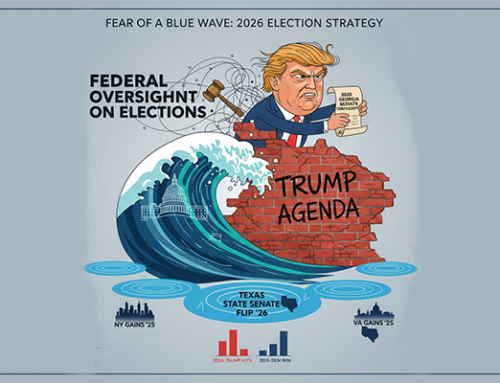
I arrived in Austin a month early to begin an impromptu internship with a Texas State House Representative on August 4th, 2025. Coincidentally, that same day, the Representative and her Democratic colleagues fled the state in a dramatic stand against a vote on the infamous mid-decade, racially gerrymandered map. Their departure broke quorum, effectively halting legislative business, and stalling the House vote on the map.
In the days that followed, the office was flooded with phone calls, emails, and letters from across the country. The majority, this we know for a fact, expressed overwhelming support to the Representative and appreciation for the courage it took to act. Others called in outrage. Regardless of the stance, the nation was paying attention.
Despite the absence of Democratic members from the floor, our office continued working at the Capitol. We tuned in daily to hearings on the redistricting map, while critical issues like flood relief were pushed aside. In the House, Republican members insisted the maps were designed to empower racial minorities. In the Senate, they claimed race wasn’t a factor at all. “We didn’t look at racial data,” one said. Yet, both chambers presented identical maps that dismantled racially diverse coalition districts and replaced them with districts favoring Republican outcomes. Elected officials, contradicting their own statements, disregarding documented communications from the DOJ. And somehow, they got away with it?
This unorganized, and frankly, ununified front by Texas Republicans only made Texas Democrats look stronger in their solidarity, rallying for democracy.
Though our team didn’t file legislation during the Special Sessions, the Chief of Staff made sure I understood the legislative process. We sat down to walk through the entire lifecycle of a bill, how it starts earlier than most people imagine–often shaped by both policy goals and political realities. Filing a bill or an amendment is at least on the books; an official record of the solutions and disagreements between members–rural or urban, house or senate, Republican or Democrat. At the very least, at least the propositions are on record and part of the conversation. At most, they are meaningful solutions we can all agree on, despite ideology. In other cases, punishments that have been built into the House Rules resulted in policing members.
Another unexpected part of my role was managing content for the Representative’s social media. I quickly realized how powerful this work could be. I’ve edited and posted speeches that connected everyday Texans to their government, sparking support, criticism, and most importantly, conversation. Engagement from constituents, even online, can shift narratives and perspectives.
This internship has shown me why good bills don’t always pass, and what it means to serve in the minority party, which means all efforts must be bipartisan. Sometimes, success means blocking a bad bill. Sometimes, you win by advancing just one part of a bigger issue. And sometimes, unfortunately, progress is so slow that when it starts to reverse, those in power will ignore the issue.
The most important lesson I’ve learned these past two months is this: Always demand more from your government. And if they won’t give it to you—do it yourself.
Call your Rep, read bill analyses, testify at hearings, stay updated but not obsessed with the news, and above all, please register to vote by October 6th for the election on November 4th, 2025..
– Ava Black
Student at University of Texas in Austin
Majoring in International Relations & Global Studies, and History